Will the couple’s actual bed, clothing, and storage fit, or are they about to pay movers to carry an unresolved surplus? One smaller bedroom can work for two adults, but square footage alone cannot settle the question. The verdict depends on usable closet capacity, space to operate furniture, access through the delivery route, and a confirmed destination for everything that exceeds the room’s limits.
Key takeaways
- Measure the bed frame, furniture, closet interiors, door openings, and delivery route instead of relying on listed room dimensions.
- Compare clothing with storage using occupied hanging length, usable drawer volume, shelf area, and container interior volume.
- Treat wardrobe boxes as transport equipment, not permanent storage capacity.
- Assign every surplus item to move, store, rotate, sell, donate, recycle, or discard before packing begins.
Contents
- Can one smaller bedroom hold two adults’ clothes and furniture?
- Measure the bedroom, closet, furniture, and delivery route before packing
- Calculate clothing capacity by hanging length, drawer volume, and container volume
- Assign clothing overflow to move, store, rotate, sell, donate, or discard
- Bedroom decor belongs only after the storage plan passes the fit test
- A worked bedroom capacity example must show every measurement and unresolved gap
- Frequently asked questions
Can one smaller bedroom hold two adults’ clothes and furniture?
One smaller bedroom can hold two adults’ clothes only when the bed, storage furniture, closet capacity, and walking space are measured together before the move. For a couple considering a specific home, the answer is a capacity result, not a decorating opinion or a generic room-size rule.
The room passes only if the couple’s actual bed frame, dresser, nightstands, clothing, and containers fit without blocking doors, fixed equipment, or access to storage. Before packing, record the bed size, furniture inventory, clothing inventory, move date, budget, and willingness to pay for off-site storage.
Treat field measurements as verified, current manufacturer specifications as supplied dimensions, and listing or landlord figures as unverified until checked inside the room. A plan that relies on an unchecked dimension is not ready for a moving truck.
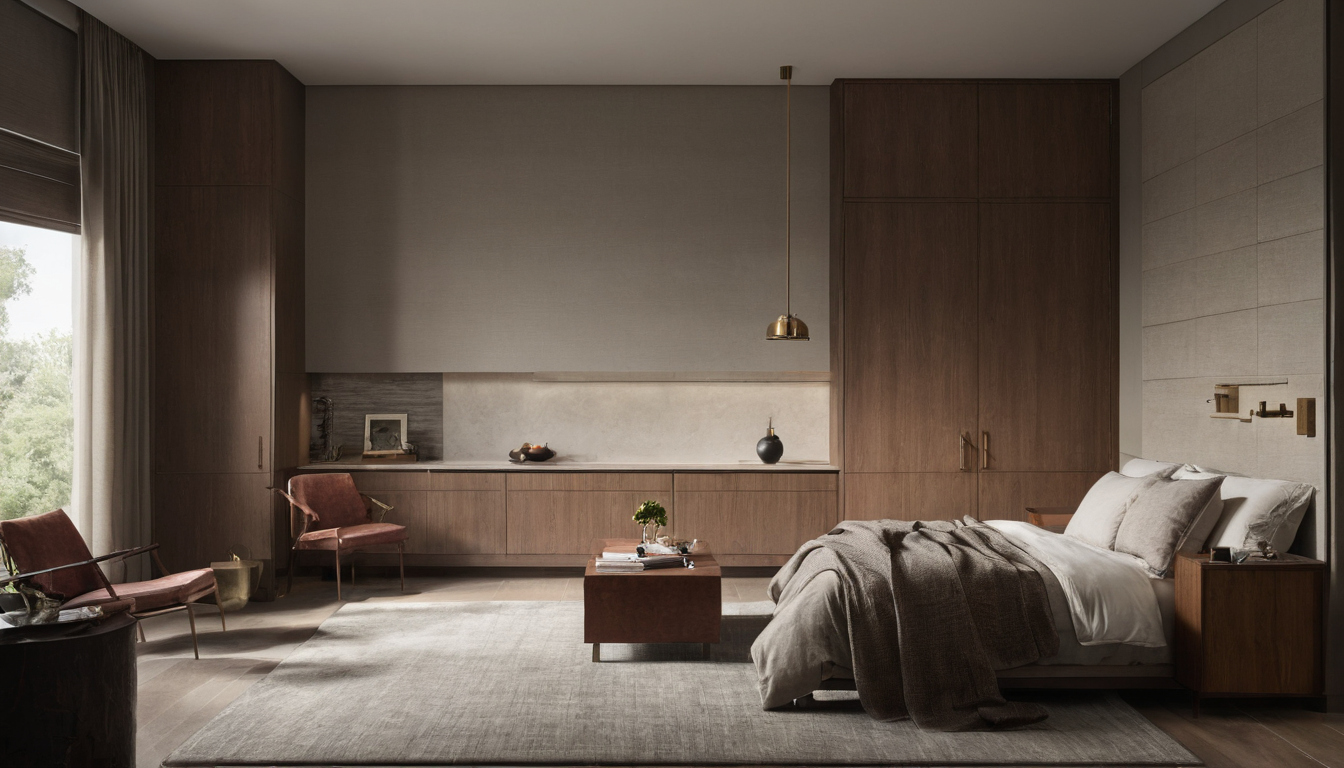
Can one smaller bedroom hold two adults’ clothes and furniture shown with finish, fixture, and clearance relationships visible.
What must fit before bedroom decoration is considered?
Sleeping, clothing storage, access, and normal operation take priority over bedroom decoration. Test the plan in this order:
- Bed: Use the bed frame’s full assembled footprint, including the headboard, footboard, and projecting legs, rather than the mattress size.
- Closet: Confirm that both adults’ hanging clothes, folded items, and shoes have assigned space. Closet doors or panels must open far enough for normal use.
- Dresser and nightstands: Plot each cabinet body plus the space occupied by open drawers and doors. A dresser that fits only with its drawers shut does not function.
- Under-bed storage: Check the container’s exterior size, the clear space beneath the frame, and the floor area needed to pull the container out. Storage lids and lifting bed mechanisms need their full operating envelope.
- Room access: Preserve usable door operation and necessary access to windows, outlets, heating equipment, and any identified emergency escape opening. Applicable requirements depend on the equipment manufacturer and local jurisdiction.
- Bedroom decor: Assign wall art, mirrors, lamps, benches, and baskets a measured location. Unassigned decor is packed volume, not a plan.
Which warning signs show that the bedroom plan is already over capacity?
Reject the layout before packing if door swings overlap furniture, drawers collide with the bed, closet panels cannot open, or stored items cannot be retrieved without moving major furniture. Blocked heating equipment, inaccessible required openings, and under-bed bins trapped by a wall also fail the test.
The delivery route can rule out otherwise suitable furniture. A bed or dresser that cannot pass through the clear doorway, hallway turn, stairwell, or elevator opening does not fit the bedroom in any practical sense, even when it fits on a floor plan.
Visual crowding is not the capacity test. Failed operation, inaccessible storage, blocked fixed features, and an impossible delivery route are. Measure the bedroom and the route before deciding what gets packed.
Measure the bedroom, closet, furniture, and delivery route before packing
Measure the new bedroom, closet, furniture, and delivery route before packing because nominal room dimensions omit door swings, baseboards, radiators, window access, and tight turns. During a viewing, record field measurements as measured and mark every landlord-supplied, estimated, or unavailable dimension accordingly.
Which bedroom dimensions must be measured in the home?
Start at the bedroom entry and work clockwise. Measure each usable wall section between actual obstructions instead of recording one broad wall length. Add ceiling height if the plan includes tall storage, stacked containers, or an upright mirror.
- Room: wall sections, ceiling height, baseboards, fixed trim, vents, radiators, windows, outlets, and other permanent obstructions.
- Closet: clear opening width and height, usable interior width, depth and height, shelf positions, and the installed length of each hanging rod.
- Operating space: bedroom-door swing, closet-door travel, full drawer extension, under-bed access, and required access to windows or fixed equipment.
- Furniture: exterior length, width, height, and projecting hardware for the bed, headboard, footboard, dresser, nightstands, mirror, bench, and containers.
- Storage interiors: usable drawer and container dimensions, excluding thick sides, runners, handles, and lids.
Use a simple plan and label every figure measured, supplied, estimated, or unavailable. Record field dimensions to the nearest practical tape increment and note the measurement tolerance instead of rounding a doubtful result upward. A listing plan is a planning aid, not an installation drawing.
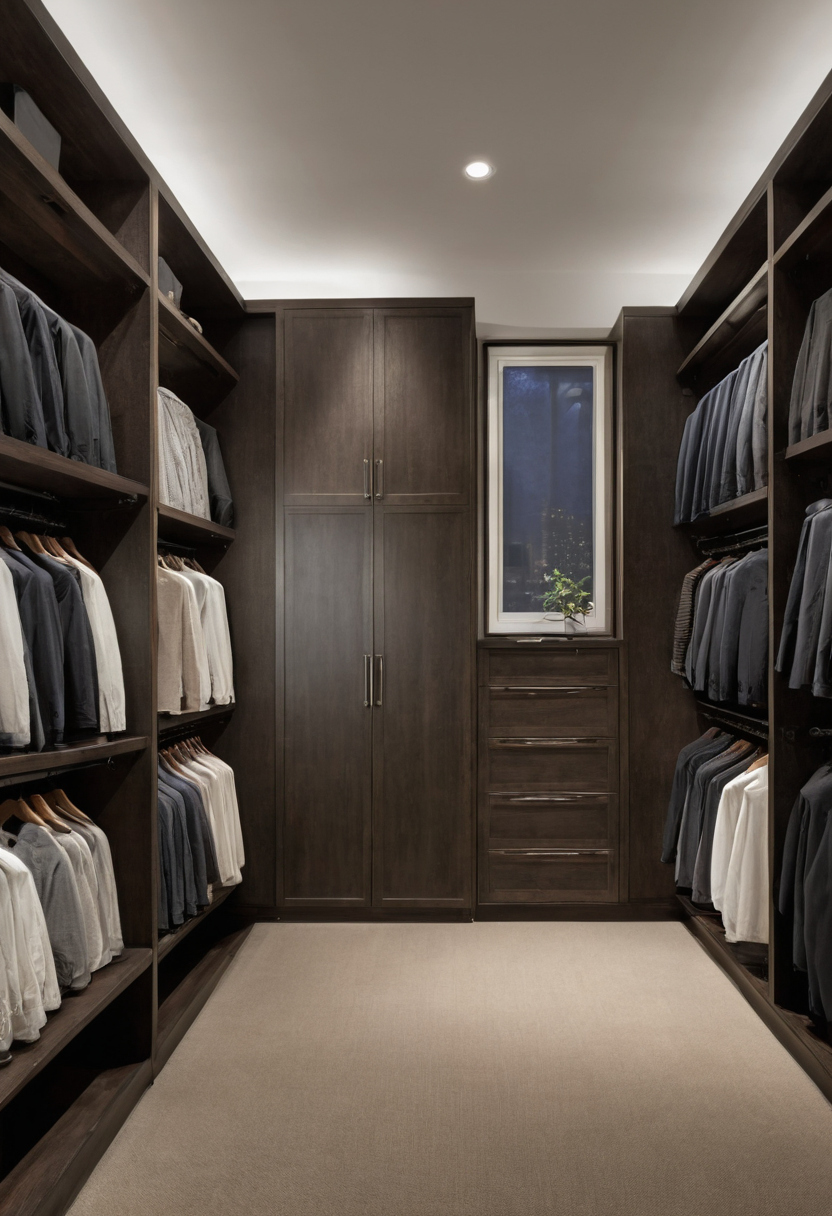
Measure the bedroom, closet, furniture, and delivery route before packing shown with finish, fixture, and clearance relationships visible.
Will the bed and dresser reach the bedroom through the moving route?
In-room fit means little if the furniture cannot pass the narrowest opening or turn. Measure clear openings with doors in their actual positions, not the nominal width of the door slab.
Trace the route from the building entrance to the bedroom. Record exterior doors, hall widths, inside and outside corners, stair width, handrails, landing dimensions, low ceilings, elevator openings, elevator interiors, and the final turn through the bedroom door.
Compare that route with each item in assembled form. Use disassembled dimensions only when the manufacturer’s instructions confirm that the bed, dresser, or removable component can be taken apart safely and reassembled. A mover’s screwdriver does not make glued joints, fixed frames, or one-piece dresser cases smaller.
Once the room and route pass, calculate the couple’s clothing by occupied hanging length, usable drawer volume, shelf area, and container volume.
Calculate clothing capacity by hanging length, drawer volume, and container volume
Compare clothing capacity in the units each storage type uses: linear hanging length, usable drawer volume, shelf area, and container volume. Count each adult’s wardrobe by destination, then compare the totals with verified interior measurements rather than advertised exterior dimensions.
- Short hanging clothes: Compare each adult’s occupied rail length with usable rod length and the available vertical clearance.
- Long hanging clothes: Compare occupied rail length and garment drop with unobstructed full-height hanging space.
- Folded clothes: Compare the required drawer or bin volume with measured usable interior volume.
- Shoes: Assign every pair to accessible shelf, rack, box, floor, or bin space.
- Accessories: Give belts, bags, scarves, and similar items a specific drawer, hook, shelf, or bin allocation.
- Seasonal items: Compare their container volume with verified under-bed, in-home, or off-site capacity.
- Bedroom linens: Assign their folded volume to a dedicated shelf, drawer, or container.
How much hanging space do two adults actually use?
Measure each adult’s occupied rail length separately while clothes hang at their normal spacing. Record short and long garments independently because a second rod or dresser beneath short clothes cannot occupy the drop required by coats and dresses.
Measure the new closet’s usable rod length after subtracting inaccessible corners, supports, shelf conflicts, and sections blocked by doors. Do not convert garments into a generic items-per-foot estimate. Fabric thickness and hanger type make that estimate unreliable.
How should folded clothes and shoes be converted into required storage?
For each drawer, multiply the usable interior width × depth × height, keeping all measurements in the same unit. Add only drawers assigned to that adult. Apply the same method to bins, while recording shelf width, depth, vertical spacing, and access lost behind doors.
Count shoes by destination instead of treating every pair alike: shelf, rack, box, floor space, or seasonal container. This calculation reveals capacity, not packing density. Optional closet design options come after the measured shortage is known.
Can under-bed containers or wardrobe boxes close the capacity gap?
Under-bed storage counts only when the selected container fits beneath the frame and can be pulled out with its lid, wheels, and handles clear. Compare the bed’s measured floor-to-frame clearance with the container’s verified exterior dimensions, then use its interior dimensions for capacity.
Wardrobe boxes move hanging clothes; they do not create permanent bedroom storage. Use model-specific box dimensions and loading instructions when available, but never treat nominal exterior size as usable clothing capacity. Any remaining deficit needs a move, store, rotate, sell, donate, or discard decision.
Assign clothing overflow to move, store, rotate, sell, donate, or discard
Items beyond the measured bedroom capacity need an assigned destination before packing, based on current use, replacement difficulty, condition, packed volume, and the cost or effort of keeping them.
- Move: regularly worn clothing that fits within the measured closet, drawer, shelf, or container capacity.
- Store: difficult-to-replace or sentimental items worth more to the couple than the full cost and inconvenience of storage.
- Rotate: seasonal clothing with an identified in-home location outside the bedroom.
- Sell: usable items with documented demand and enough time for collection before the move.
- Donate: wearable clothing and sound furniture that will not fit but is not worth selling.
- Discard or recycle: damaged, contaminated, or unusable items accepted by the chosen local service.
Record each category with its current use, replacement difficulty, condition, packed volume, destination, and decision deadline. An undecided item remains part of the moving volume until its destination is confirmed. Compare replacement and storage decisions with planning a whole-house decor budget.
When is off-site storage justified for bedroom clothing?
Off-site storage makes sense only when the retained items justify the complete recurring cost and the couple can retrieve them under realistic travel and access conditions. Compare the expected storage duration with each item’s documented replacement cost, sentimental status, use frequency, packed volume, and need for climate control.
Any price comparison must use a dated quote for the actual location. Check unit size, the end date of an introductory rate, recurring rent, insurance requirements, access charges, climate control, and minimum term. A low opening rate does not settle the decision.
What must leave the home before the movers arrive?
Set the move date first, then establish earlier deadlines for sale listings, buyer collection, donation pickup, restricted-item disposal, and final packing. Mark separate holding areas for move, store, sell, donate, recycle, and dispose so rejected clothing cannot drift back into cartons.
Once the surplus has left, test the storage plan one last time: does any bedroom decor earn space without obstructing daily use?
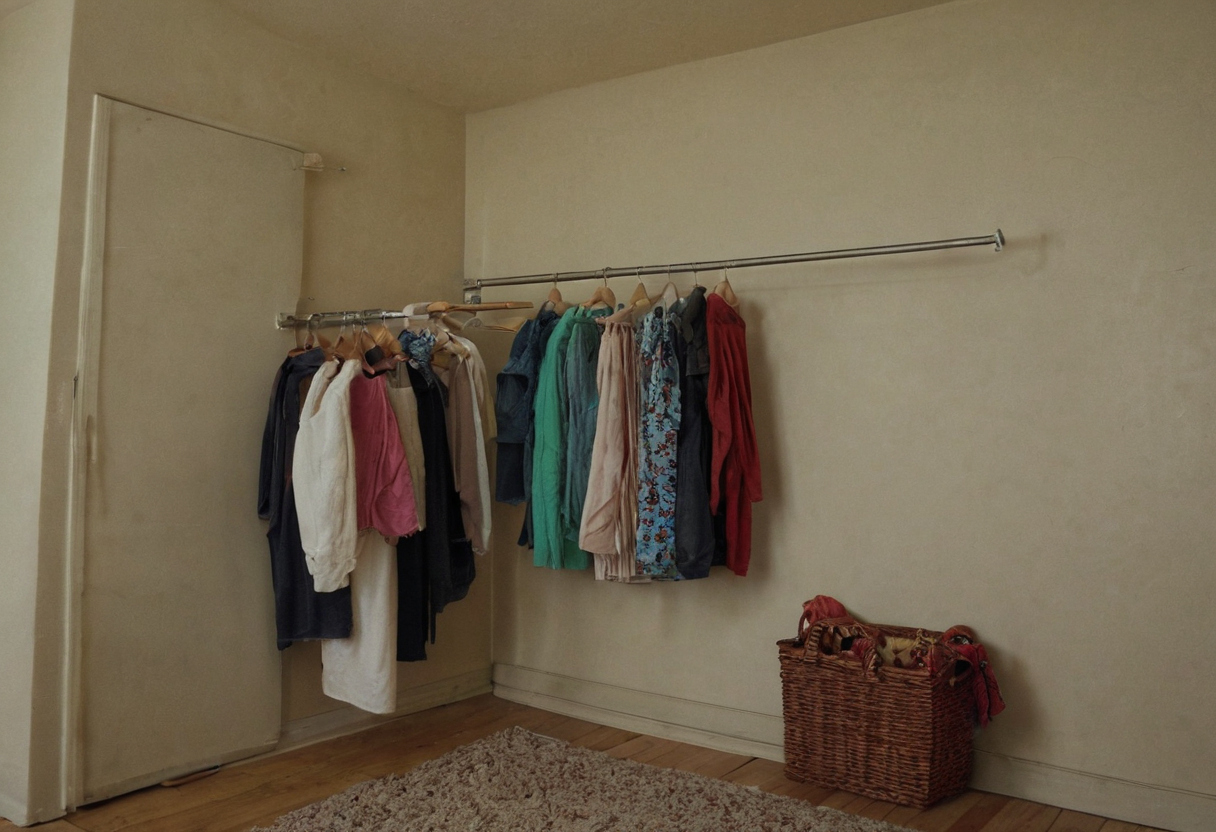
Assign clothing overflow to move, store, rotate, sell, donate, or discard shown with practical context cues.
Bedroom decor belongs only after the storage plan passes the fit test
Select bedroom decor after the bed and clothing storage pass the fit test. Benches, blanket ladders, mirrors, and extra nightstands consume floor, wall, and delivery-route capacity. In a small shared bedroom, keep only pieces with a measured location and a clear function.
Which ideas for bedroom decor also provide measured storage?
Dual-purpose furniture earns its place only when the usable interior, exterior footprint, access space, and installation requirements are known. Check model-specific dimensions and load limits for a storage bed, nightstand, bench, shelf, or wall-mounted cabinet. Marketing terms such as “spacious” and “space-saving” are not measurements.
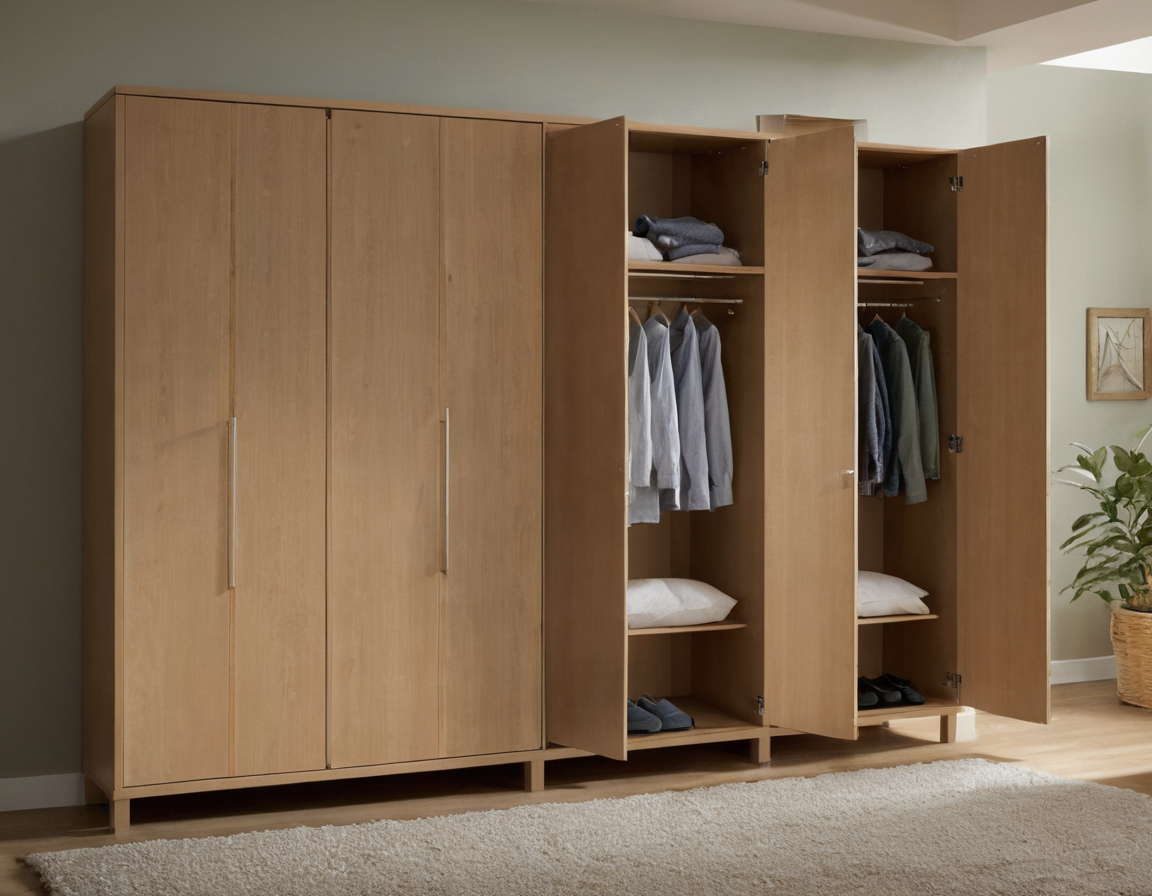
Bedroom decor belongs only after the storage plan passes the fit test shown as an editorial planning reference.
Wall-mounted storage also requires the correct fasteners for the wall type, the manufacturer’s anchoring instructions, and permission under the lease. Lamps need verified fixture specifications and a reachable outlet that will not be trapped behind the bed or dresser.
Which bedroom decoration should not be moved without an assigned location?
- Keep: art and mirrors assigned to measured wall sections clear of doors and open drawers.
- Check: rugs against the actual bed-frame footprint and door swing.
- Keep selectively: baskets, plants, lamps, and blanket storage with a defined surface, corner, or cavity.
- Cut: unplaced benches, duplicate nightstands, floor lamps, mirrors, and framed art.
Record the exterior and packed dimensions of every large decorative piece. Before comparing replacement cost with moving or storage cost, obtain current prices and the selected mover’s packing rules for glass, mirrors, and oversized frames.
A worked capacity record must show that every retained item fits and identify every unresolved gap.
A worked bedroom capacity example must show every measurement and unresolved gap
A worked example should test one real couple’s bed, dresser, nightstands, clothes, and decor against a dated room record. The result is valid only when the room, closet, route, furniture, and container measurements are documented. Missing measurements must remain visible instead of being replaced with convenient assumptions.
Does the documented bed-and-storage layout physically fit?
The dated sketch should identify each wall, clear doorway, window, closet opening, fixed obstruction, and proposed furniture footprint. Bed, dresser, and nightstand rectangles must use verified model dimensions. Separate outlines should show the space needed to open the room door, closet door, drawers, and under-bed containers.
The delivery check records the narrowest clear opening, turns, stairs, and landing constraints. Each furniture item is marked as moving assembled or in a manufacturer-approved disassembled state. A dresser fails if its route is too tight, its drawers strike the bed, or its footprint blocks fixed equipment, even when the room’s total floor area looks adequate.
What clothing and bedroom decor remain after the capacity calculation?
- Hanging clothes: Record the measured rail length before the move, the usable rail length in the new closet, and the final assignment to the bedroom or seasonal storage.
- Folded clothes and linens: Compare measured drawer or packed volume with usable interior volume, then assign the remainder to another room, storage, sale, or donation.
- Shoes and decor: Record the count and packed volume, identify assigned shelves or containers, and remove everything without a destination.
No pass result is defensible while any required figure is unavailable. An unknown drawer interior holds the folded-clothing decision open; an unknown doorway holds the dresser decision open. Authorize the move only after every retained item has a measured location and every surplus item has a recorded destination.
Frequently asked questions
Closet size and bedroom status cannot be settled by one national rule. Capacity depends on the couple’s measured wardrobe, while legal bedroom requirements depend on the property’s jurisdiction and applicable housing or building rules.
What is a good size closet for two people?
A good closet for two people provides enough usable rod length, long-garment drop, shelf area, and accessible storage for both measured wardrobes. Overall closet width is not enough because corners, supports, doors, and fixed shelves can reduce usable capacity.