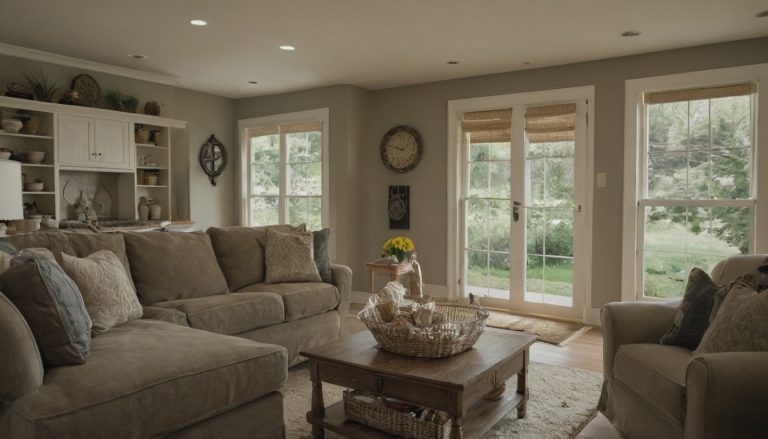
A small sectional sofa can make a busy family living room feel organized, or it can block the route everyone uses all day. Decide by floor plan, routine, fabric, delivery, and return policy before choosing the style that looked best online.
A small sectional sofa works when one shared lounging zone fits the room
A small sectional sofa is the better choice when the room has one clear focal point, usable corner or wall space, and a family that usually lounges together for TV, reading, pets, or movie nights.
- Choose a compact sectional when the room can hold a piece about 78 to 96 inches wide, 34 to 40 inches deep, with a chaise around 55 to 70 inches long.
- Preserve the paths when doors, toy storage, baskets, and the coffee table still feel easy to reach.
- Skip the sectional when the chaise blocks the entry, cuts off a window, or leaves only a narrow squeeze around the room.
Choose a reversible or modular chaise if the household rents, rearranges often, or may move soon. If the room also needs reading chairs, homework space, or easier guest seating, a sofa-and-chairs layout may solve more problems.
A sofa-and-chairs layout works when the family room needs flexible seating
A sofa-and-chairs layout is usually better when the family room has multiple paths, mixed activities, or guests who need separate seats. A standard sofa with modern accent chairs can keep a small room lighter and easier to reset around doors, windows, toys, and side tables.
Choose separate chairs when a chaise would block a window, clip a doorway, or crowd the toy basket. Apartment sofas often run about 68 to 80 inches wide, loveseats about 52 to 65 inches, and standard sofas about 80 to 90 inches, so one sofa with smaller chairs can seat nearly as many people as a compact sectional without locking the room into one shape.
Pick chairs with arms and a firm, moderate-height seat when grandparents visit or adults need an easier stand-up motion. A supportive chair can be more useful for conversation, homework help, or TV while a child plays on the rug.
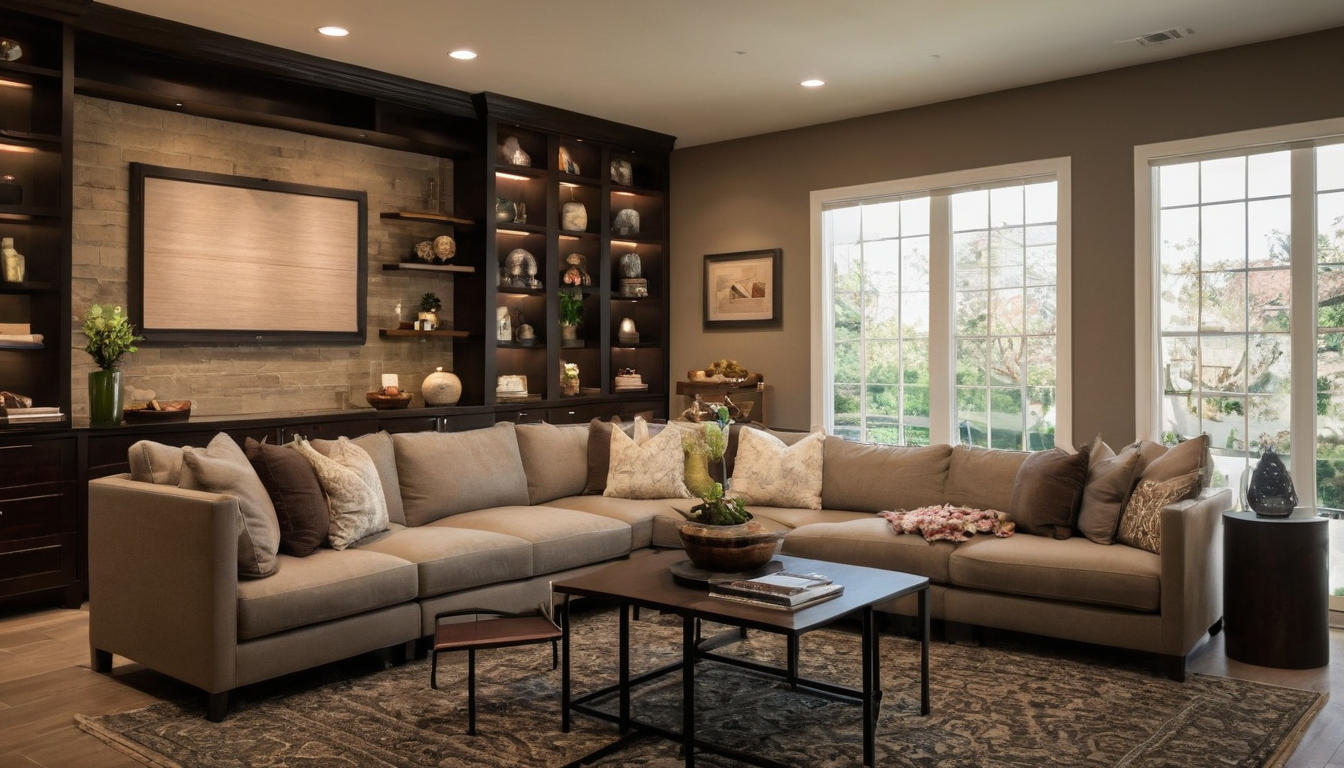
A sofa-and-chairs layout works when the family room needs flexible seating shown with floor, wall, and fixture relationships visible.
The right living room furniture choice depends on measurements before style
The right living room furniture choice starts with measured clearances, not a showroom photo. A small sectional sofa, apartment sofa, loveseat, or chair layout should leave usable paths to doors, media storage, windows, and toy zones.
- Measure the room wall to wall, then mark doors, windows, radiators, vents, outlets, built-ins, and the TV wall.
- Measure the furniture footprint with painter’s tape. Include the chaise, chair backs, ottomans, and side tables.
- Measure the delivery path through the front door, hall turns, stair landings, elevator, ceiling height, and final room doorway.
- Check packaged dimensions as well as assembled dimensions, because a sofa that fits the wall may still fail at the stairs.
- Main walkway: aim for about 30 to 36 inches where people pass daily.
- Secondary path: about 24 to 30 inches can work beside a chair or sofa arm.
- Sofa to coffee table: keep about 14 to 18 inches so knees, snacks, and cleanup fit.
- Doors and storage: avoid blocking cabinet doors, toy bins, entry swings, vents, and media storage.
The 2/3 sofa rule can help scale a sofa to a wall, rug, or media console, but family traffic matters more than symmetry.
Narrow, square, and open-plan rooms need different seating layouts
Narrow, square, and open-plan living rooms need different seating choices because traffic patterns change. A small sectional sofa can anchor a corner, while a sofa-and-chairs plan can open diagonal movement or divide a larger shared space.
In a narrow living room, choose a wall-hugging sofa, apartment sofa, or compact chaise. Place the longest seating piece against the least interrupted wall so the room keeps a clear path to the kitchen, stairs, or hallway.
In a square living room, use a sofa-and-chairs layout when the room has more than one focal point, such as a fireplace on one wall and windows on another. A standard sofa with two compact chairs can create a balanced conversation group without sending one long sectional arm across the room.
In an open-plan family room, float a small sectional sofa when the back can define the family zone. Keep a comfortable route behind it so people can reach dining chairs, storage baskets, and exterior doors without cutting through the seating group.
Family-friendly upholstery matters as much as the seating layout
Family-friendly upholstery can make either seating plan succeed or fail. In a busy living room with children, pets, snacks, and daily lounging, compare cleanability, rub-count language, cushion construction, removable covers, and warranty terms before buying.
Check upholstery labels for rub-count language such as Wyzenbeek double rubs or Martindale cycles, then treat the number as one clue rather than a full durability promise. Cleaning codes matter too: W usually means water-based cleaning, S means solvent-based cleaning, SW means either, and X means vacuum-only care.
Choose performance fabric only after confirming the care limits. Stain-resistant, washable, pet-friendly, and removable-cover descriptions should match chocolate milk, dog hair, muddy socks, and the way your family actually lives.
For modular pieces, inspect brackets, clips, or latches that keep seats from drifting apart. Ask about frame material, cushion replacement, cover availability, and warranty limits before buying.
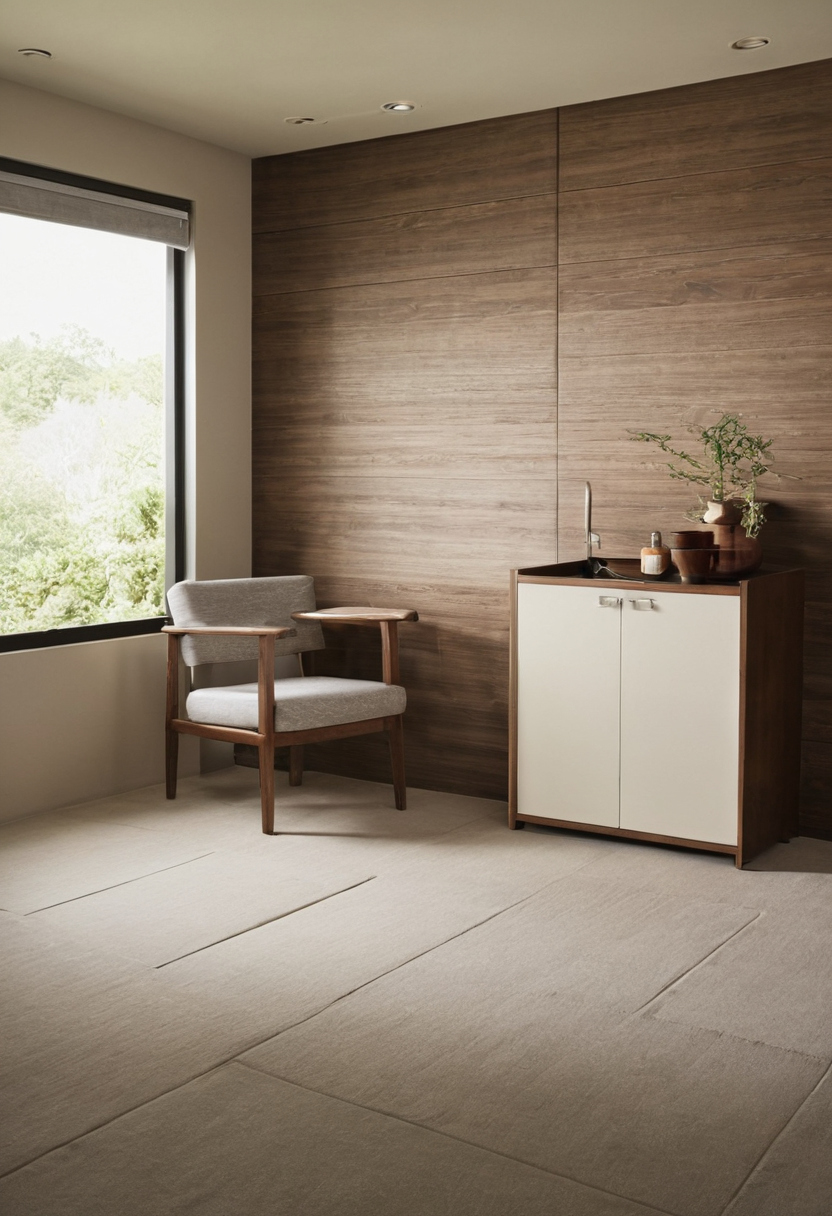
Family-friendly upholstery matters as much as the seating layout shown with finish, fixture, and clearance relationships visible.
Delivery, returns, and modular policies can decide the safest purchase
Delivery and return policies matter because small living room furniture mistakes are expensive, bulky, and hard to correct. Before buying online, confirm the delivery method, assembly needs, return window, restocking fees, packaging rules, and modular exchange options.
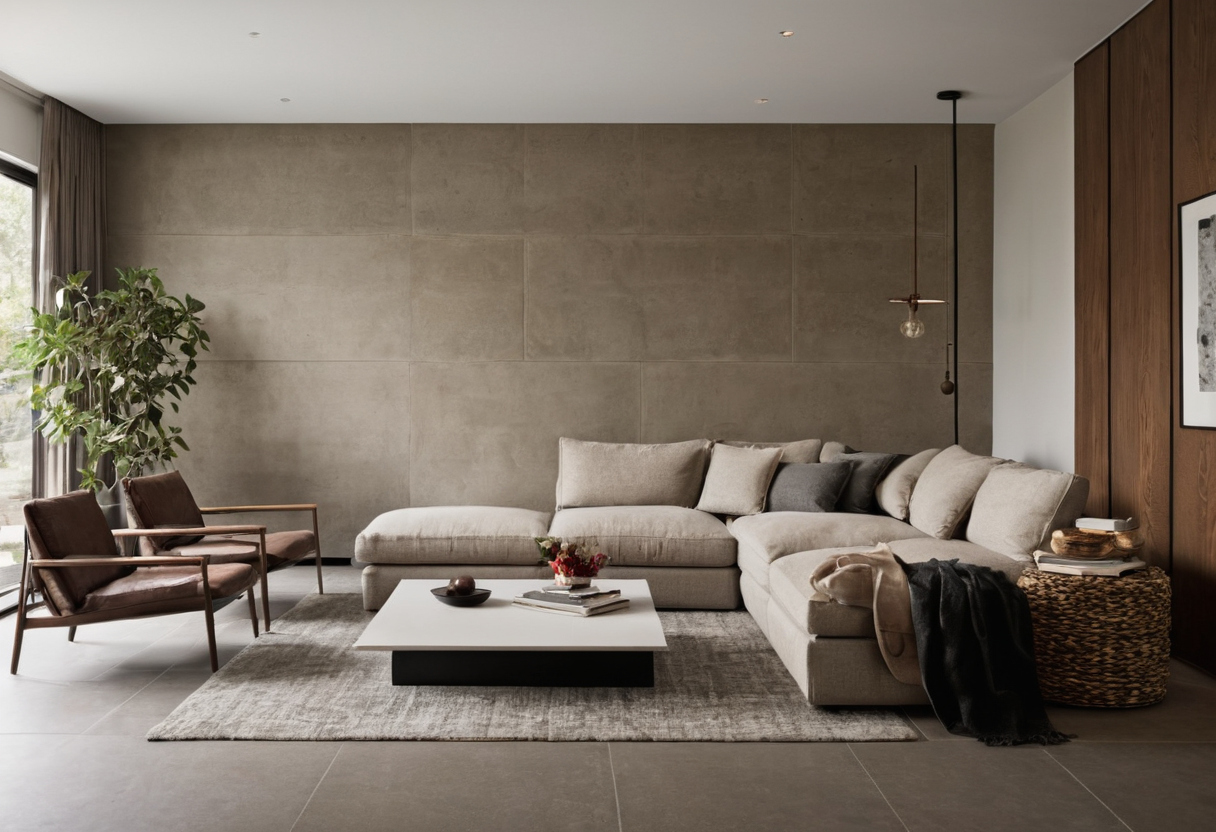
Delivery, returns, and modular policies can decide the safest purchase shown with floor, wall, and fixture relationships visible.
Read the large-item policy before checkout. Threshold delivery usually brings the box to the door or entry area, while white-glove delivery often includes room placement and may include debris removal or assembly, depending on the retailer.
Check return rules for opened boxes, assembled frames, custom upholstery, made-to-order sectionals, clearance pieces, and final-sale items. Many furniture returns depend on original packaging, scheduled pickup, condition at inspection, and fees.
Choose modular seating only if the seller lists future modules, replacement covers, legs, connectors, cushions, and clear warranty terms. For upholstery abrasion claims tested under ASTM D4157, ASTM International identifies the oscillatory cylinder method as a standard test for textile fabric abrasion resistance.
Living room decor ideas should support the seating decision instead of hiding it
Living room decor ideas work best when they reinforce the seating plan. In small family rooms, rugs, lamps, side tables, pillows, baskets, and wall storage should make the chosen small sectional sofa or sofa-and-chairs layout easier to clean and reset.
The 2-2-1 seating idea means two sofas, two chairs, and one accent piece, often an ottoman or bench. That plan can suit a square room with generous walking space, but it can overcrowd a narrow room.
Choose a rug that catches the front legs of the main seats or defines the full seating group without curling into traffic paths. Place lighting where routines happen. For qualified bulbs, ENERGY STAR says LED lighting uses at least 75 percent less energy and lasts up to 25 times longer than incandescent lighting.
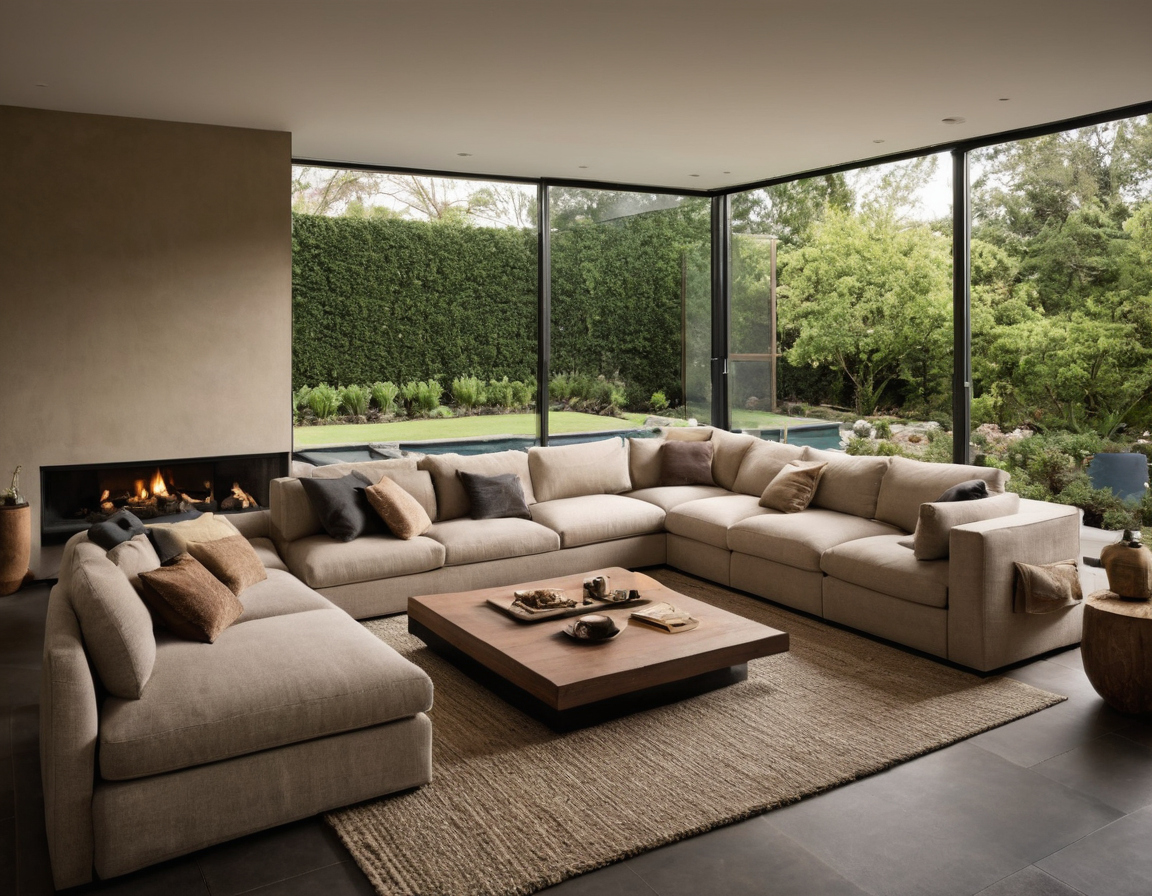
Living room decor ideas should support the seating decision instead of hiding it shown as a planning reference for layout, scale, and material decisions.
Put storage where mess starts: lidded baskets for toys, a wipeable ottoman for blankets, slim side tables for drinks, and a closed media cabinet for cords.
FAQ
Should you put a sectional in a small living room?
Yes, if the room has one clear focal point, a usable corner or wall, and enough clearance for daily paths. Skip it if the chaise blocks doors, storage, windows, or the main walkway.
What is the 2/3 rule for sofas?
It suggests choosing a sofa about two-thirds the length of the wall or anchor piece near it. Use it for scale, but let traffic paths and door swings overrule it.
What is the 2-2-1 rule for sofas and chairs?
It uses two sofas, two chairs, and one accent piece. It can balance a larger square room, but many small rooms need fewer pieces.
What is the best sectional style for a family-friendly living room?
The best option is compact, easy to clean, sturdy at the connectors, and sized for the room’s main path. Reversible or modular chaises add flexibility.
Is a sofa with accent chairs better than a small sectional for guests?
Often, yes. Separate seats feel easier for conversation, older relatives, and mixed routines. A sectional is better when the family mainly lounges together in one shared zone.