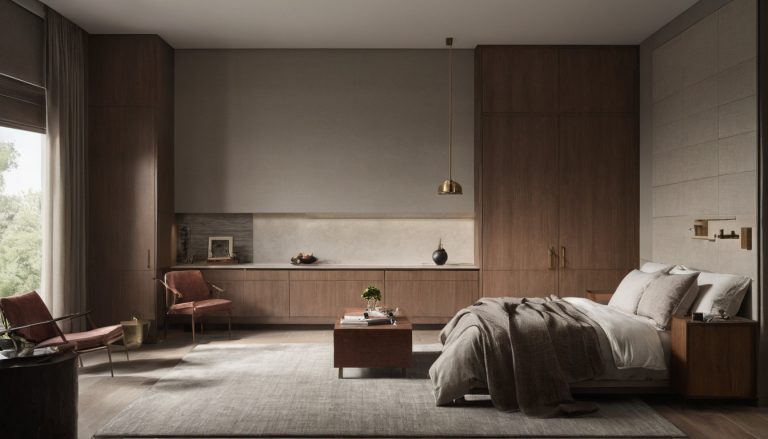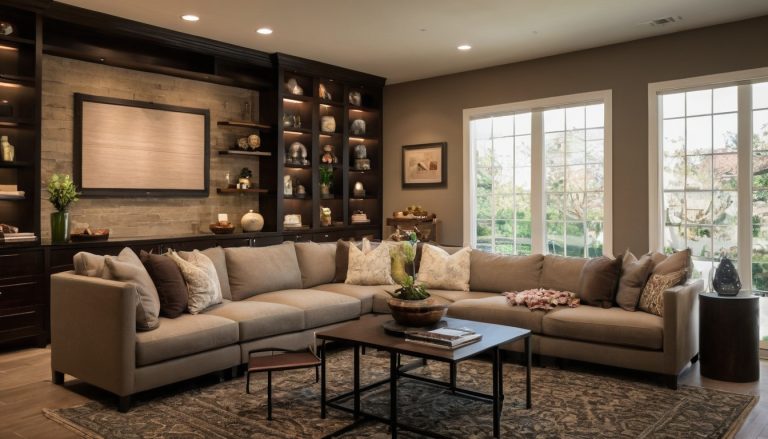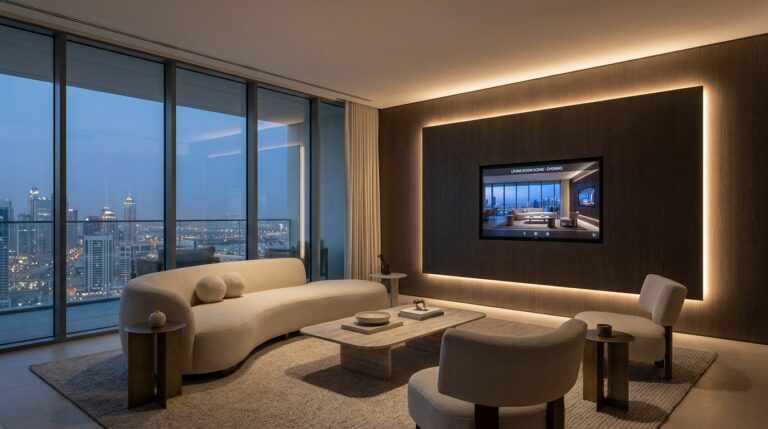
A hypothetical two-bedroom household has discounted pillows, frames, and baskets in every room, yet the bedroom still lacks privacy curtains and the living room has no useful reading light. The solution is not another sale. It is a decorating budget that funds use, fit, care, and safety before optional accents.
How do you calculate a realistic whole-house decor budget?
A realistic whole-house decor budget starts with discretionary money left after essential repairs, debt obligations, emergency savings, and necessary appliances. That finite amount must cover the full purchase cost, maintenance, installation, and future replacement.
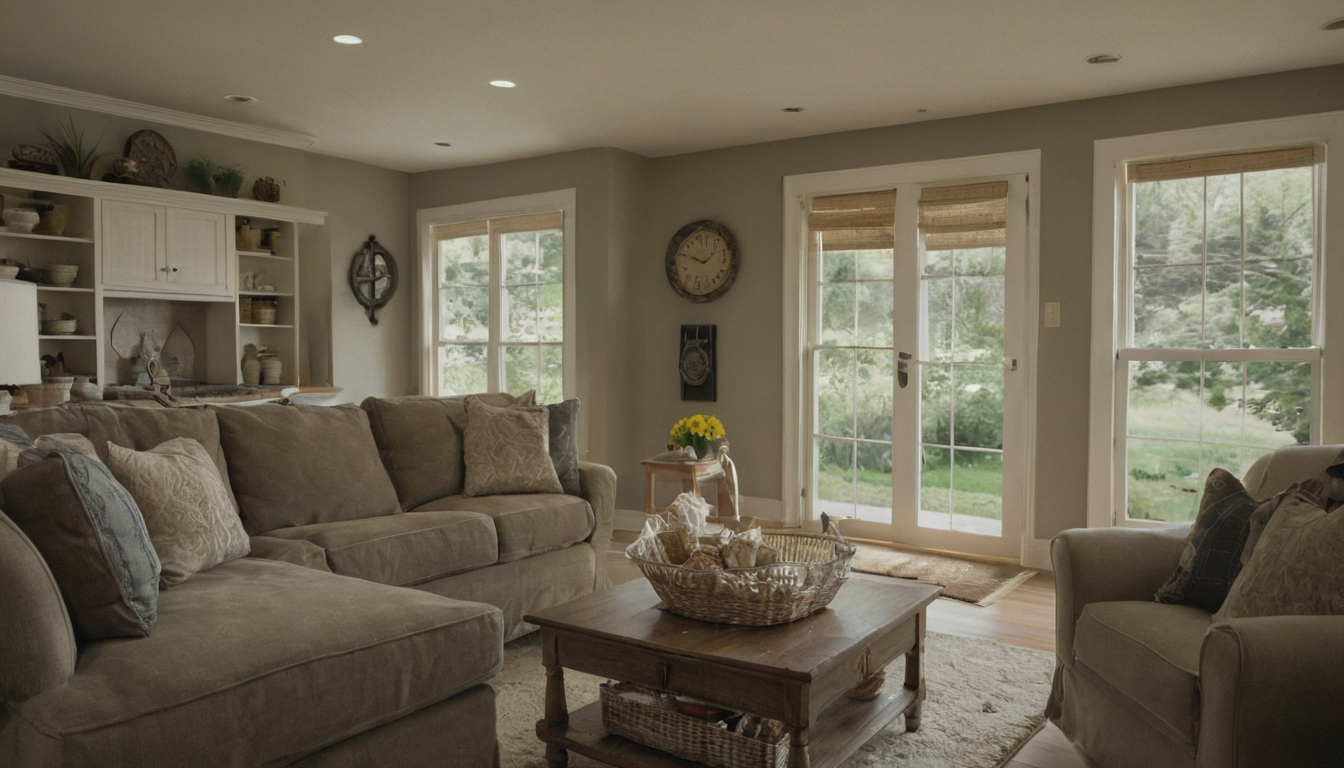
How do you calculate a realistic whole-house decor budget shown with practical context cues.
The whole-house decor worksheet separates needs, upgrades, and optional accents
The basic formula is available decorating fund = total discretionary amount minus contingency minus replacement reserve. Classify each purchase before assigning money:
- Functional need: provides privacy, lighting, storage, comfort, or another missing function.
- Durability upgrade: replaces something unsuited to household traffic, pets, children, sunlight, or cleaning.
- Visual anchor: establishes scale or character, such as a rug, mirror, or window treatment.
- Supporting layer: completes an anchor through lamps, frames, or practical textiles.
- Optional accent: adds interest without solving an urgent problem.
Record the room, item, quantity, dimensions, priority, target price, tax, delivery, installation, care supplies, repair allowance, full installed cost, and replacement scenario. Compare the price commonly offered over time instead of trusting a crossed-out figure. A Notre Dame pricing illustration shows how a claimed regular price can exaggerate savings.
For a rounded example, a $6,000 fund might assign $4,400 to immediate needs and anchors, $700 to upgrades and supporting layers, $500 to contingency, and $400 to replacement. This is a worksheet example, not a national average. Homeowners should exclude structural repairs, while renters should confirm landlord approval and favor movable purchases.
How should contingency and replacement reserves appear in a decor budget?
Contingency should be a separate line for fragile delivery, mounting complexity, uncertain walls, custom orders, and return risk. Moisture damage does not belong in the decorating allowance. The U.S. Environmental Protection Agency advises fixing condensation and damp spots promptly to prevent mold growth.
Calculate a monthly reserve as estimated replacement cost divided by the chosen saving period in months. Treat timing as a scenario because traffic, care, pets, sunlight, and moisture differ. Retail prices can also change: PwC told CNBC that nearly one-quarter of U.S. retailers use retail inventory method accounting, including Walmart, Target, and Home Depot. A sale price should never decide which house decor ideas deserve the fund.
Which house decor ideas are worth spending more on, and where can you save?
Spend more on decor that performs a daily function, requires precise sizing, anchors connected rooms, or costs heavily to install. Save on low-contact accents that are washable, movable, and inexpensive to replace.
Spend more on durable visual anchors that solve a daily household problem
Settle major furniture decisions, including choosing seating for a busy family living room, before buying rugs and surrounding accents. Then compare fit, fiber, lining, cleaning instructions, replaceable parts, hardware, and repair options rather than prestige.
| Category | Spend when | Save when | Postpone when |
|---|---|---|---|
| Rugs | Daily traffic demands suitable construction | Use is light | Layout or cleaning capacity is uncertain |
| Curtains | Privacy, glare, or frequent operation matters | Washable standard panels fit | Measurements remain unsettled |
| Lamps and mirrors | Light quality or secure mounting matters | The item is small and movable | Outlets, pathways, or wall type are unknown |
| Frames, pillows, throws, objects | Frequent handling demands durability | Items are washable or replaceable | Storage and displays are crowded |
Save on low-contact accents that are easy to clean, move, or replace
Frames, trays, seasonal objects, removable pillow covers, and washable throws rarely require premium construction. Limit quantities so inexpensive home decor ideas do not create extra dusting, laundering, and storage. A replaceable cover can be more practical than a whole pillow that must be discarded after staining.
Postpone decor when measurements, room use, or maintenance routines remain unsettled
- Wait through planned moves, layout changes, new pets, growing children, or pending paint decisions.
- Check return and restocking terms before ordering custom, oversized, fragile, or clearance pieces.
- Reject finishes that demand care the household will not perform.
The Federal Trade Commission reports that surveillance-pricing systems can use a wide range of personal data to set individualized prices. Compare final costs instead of assuming every shopper sees the same offer. For products that emit volatile organic compounds, the EPA recommends increased ventilation during use. After filtering purchases this way, room budgets should follow use and missing function rather than equal shares.
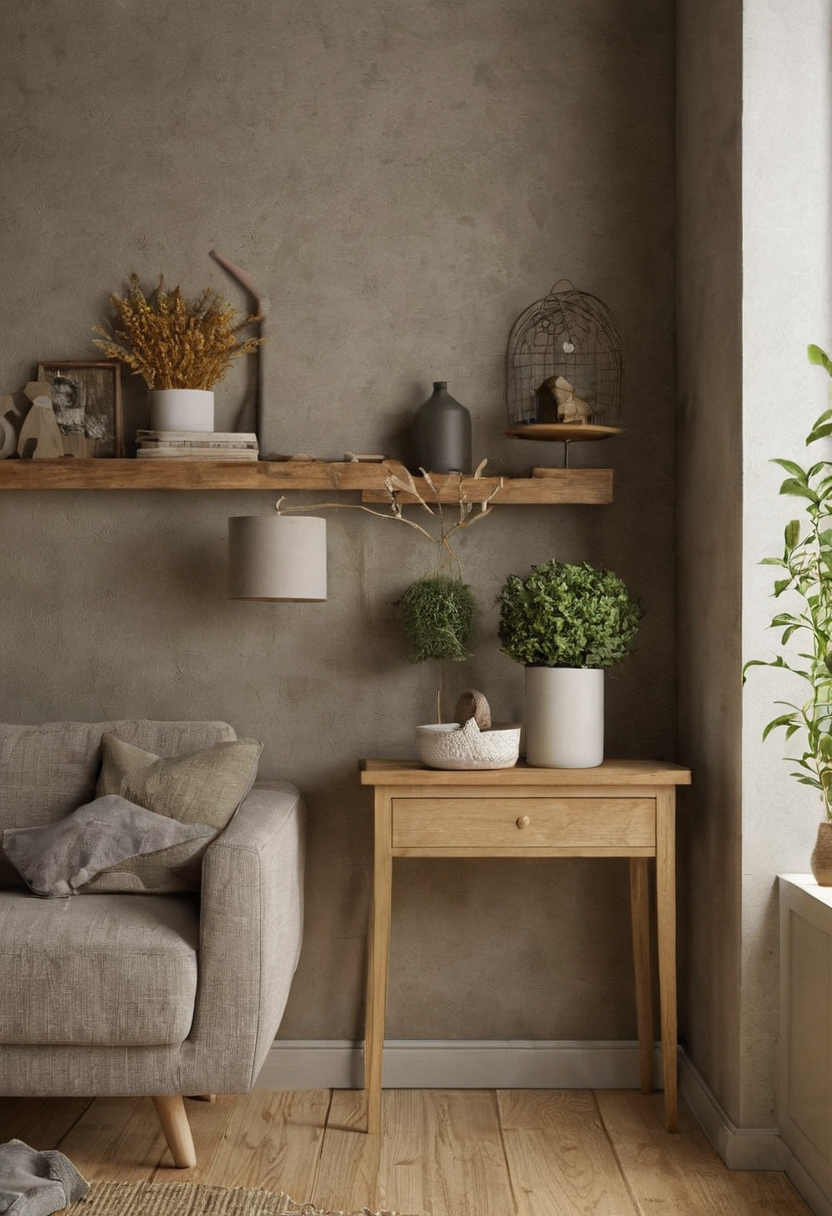
Which house decor ideas are worth spending more on, and where can you save shown as an editorial planning reference.
A room-by-room decor budget should follow use and visibility, not equal shares
Give money first to rooms with safety problems, missing functions, heavy use, or broad visibility. A private room with no privacy may outrank a presentable living room, and an unsafe hallway may outrank both.
Which rooms should receive decor money first?
Score each room from 0 to 2 for safety, missing function, number of users, time in use, visibility, condition, and expected wear. The highest score goes first, although essential lighting, privacy, and unobstructed pathways override the total.
| Room | Priority signal |
|---|---|
| Entry or hallway | Unsafe rug, darkness, or obstruction |
| Living or family room | Heavy use or missing task lighting |
| Dining area | Frequent meals, work, or guests |
| Bedroom | Missing privacy or light control |
| Kitchen or bathroom | Heat, moisture, or demanding cleaning |
For accessible planning, the 2010 ADA Standards specify a 30-by-48-inch clear floor space for wheelchair positioning and accessible dining or work surfaces 28 to 34 inches high. These standards provide useful reference dimensions; household needs still determine the layout.
Connected rooms need one coordinated visual layer before repeated accents
Carry one element, such as warm lighting, a textile color, a frame finish, or a wood tone, through rooms visible together. This creates coherence without buying duplicate objects. Materials must also suit heat, moisture, sunlight, and cleaners. The EPA identifies paints, varnishes, waxes, cleaning products, building materials, and furnishings as common indoor sources of volatile organic compounds. The next comparison must therefore include care and installation, not merely appearance.
What is the true cost of rugs, curtains, lighting, mirrors, frames, and textiles?
True decor cost equals purchase + delivery + installation + care supplies + repair allowance + replacement within the chosen planning period. If service life is unknown, calculate no-replacement and one-replacement scenarios instead of inventing a lifespan.
A lifecycle-cost table makes decor prices comparable
| Category | Sticker-price blind spot | Care or installation question | Replacement scenario | Budget action |
|---|---|---|---|---|
| Rugs | Pad and delivery | Home or professional cleaning? | Model uncertain wear | Compare equal sizes and fibers |
| Curtains | Panels, rods, and rings | Washable or dry-clean only? | Allow for fading or room changes | Total the complete window |
| Lighting | Bulbs and electrical work | Who installs it? | Separate bulb and fixture costs | Favor replaceable efficient bulbs |
| Mirrors | Hardware and labor | What wall type supports it? | Repair versus replacement | Verify weight and instructions |
| Frames | Mats and glazing | How is the finish cleaned? | Reuse frame, replace insert | Choose repeatable sizes |
| Pillows and throws | Inserts or special laundering | Can they be washed at home? | Model stains, snags, or shrinkage | Match care to routine |
Do not treat an advertised discount as savings without price history. Researchers define a product’s true normal price as the price offered most often during a period. Their pricing research cites an investigation of 25 major retailers that found many advertised discounts compared sale prices with regular prices seldom charged. In a controlled experiment with 900 participants, true-normal-price information largely removed the purchasing effect of an advertised regular price. The researchers also interviewed a dozen senior retail executives about likely industry responses to the proposed disclosure.
For applicable products, ENERGY STAR qualified LED lighting uses at least 75 percent less energy and lasts up to 25 times longer than incandescent lighting.
Care requirements can change the best-value decor choice
Manufacturer labels determine washability, stain treatment, bulb limits, finish care, and moisture restrictions. Record warranty exclusions involving normal wear, stains, pets, sunlight, improper cleaning, or installation. Once complete costs replace tempting sticker prices, purchases can be phased without breaking visual continuity.
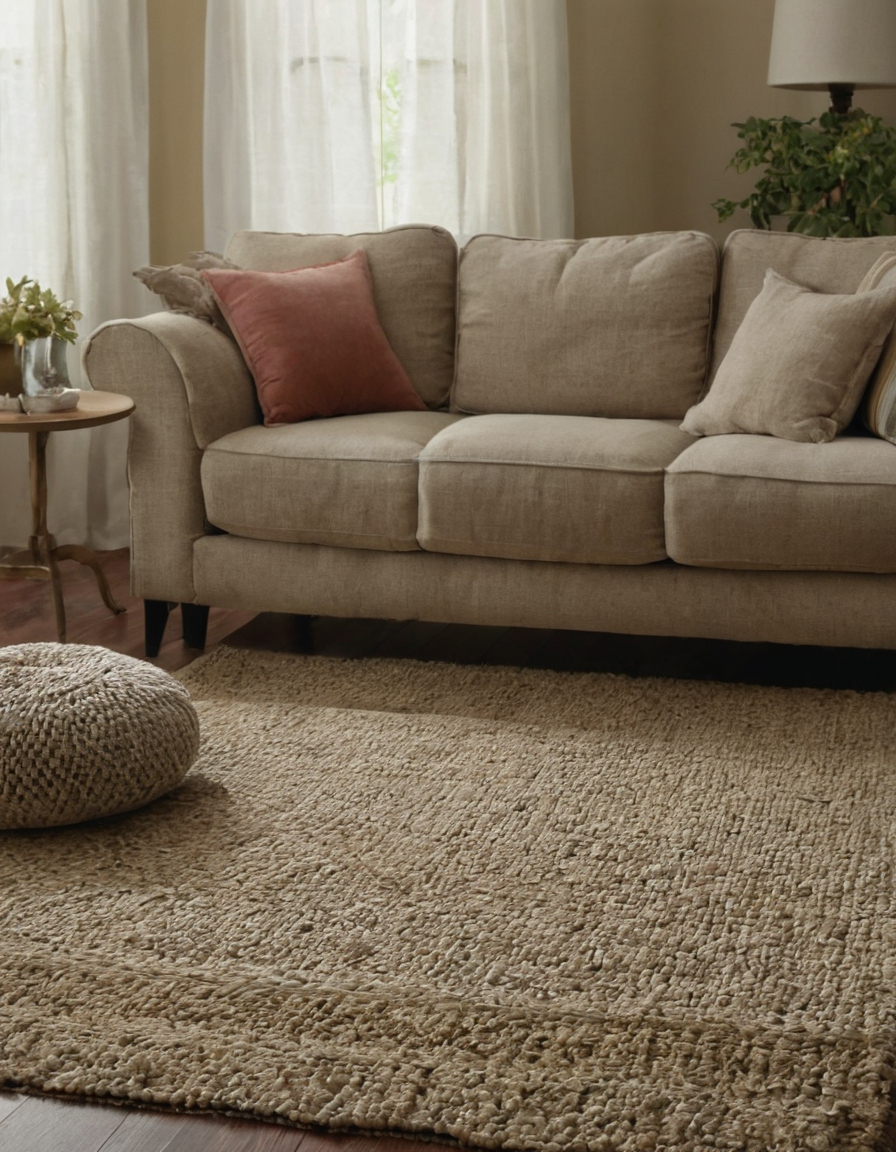
What is the true cost of rugs, curtains, lighting, mirrors, frames, and textiles shown with practical context cues.
How do you phase a whole-house decor plan without losing visual coherence?
Phase the plan by settling measurements and function first, adding one coordinating layer second, and buying accents only after reviewing committed and paid costs.
A 12-month decor schedule uses checkpoints instead of shopping deadlines
- Months 1–2: Inventory, measure, and record finishes, textile samples, and bulb specifications.
- Months 3–4: Fund privacy, task lighting, storage, and safety-related needs.
- Months 5–8: Add rugs, curtains, lamps, or mirrors that coordinate connected rooms.
- Months 9–12: Review reserves before buying frames, pillows, throws, and objects.
Imported goods subject to tariffs can cost more when they cross a border, with the manufacturer, retailer, consumer, or a combination absorbing the increase. CNBC reports that retail inventory method accounting may initially make profitability look stronger when product costs rise. PwC estimated that volatility for a large, non-fast-fashion retailer using that method may take roughly two to four quarters to settle. Checkpoints protect the household from treating current prices as permanent.
A worked home decor example shows how the phases fit together
A hypothetical household with a $4,000 fund records planned and full costs: $500/$580 for a rug, $300/$360 for curtains, $220/$240 for lamps, $180/$245 for a mirror, $120/$120 for frames, $100/$100 for pillows, and $600/$600 for replacement reserve. If delivery or installation raises committed costs, frames and pillows wait. The reserve remains intact, and every funded item moves to a safety review.
Safe decor installation is part of the whole-house budget
Installation belongs in the budget because a low purchase price cannot compensate for unstable placement, unsuitable wiring, blocked pathways, or incorrect mounting.
Wall type, product weight, and mounting instructions determine installation cost
Record product weight, included hardware, and the specified mounting method. Match fasteners to the identified drywall, stud, plaster, or masonry substrate, and avoid universal anchor-load claims that omit installation conditions. Budget for qualified help when product instructions or local rules require it. Renters should obtain approval before making holes or altering electrical fittings.
Safe decor installation is part of the whole-house budget shown with practical context cues.
Children, pets, cords, and pathways change decor placement decisions
Follow anti-tip instructions for climbable furniture, control lamp cords, inspect plugs and bulb limits, and keep unstable objects, curling rugs, and hot bulbs away from walking routes and children. Preserve usable clearance for household members with walkers, wheelchairs, limited reach, or low vision. For private collections, the National Park Service Museum Handbook provides conservative preservation and access guidance, not residential mounting capacities. Leave money unspent rather than buy an unmeasured, hard-to-maintain, or unsafe item.
Frequently asked questions
How much should I budget to decorate an entire house?
Use the discretionary amount available after essential obligations rather than a universal income percentage. Subtract contingency and replacement reserves, then price complete functional needs before accents.
Should every room receive the same share of a home decor budget?
No. Give priority to safety, privacy, lighting, daily use, existing condition, wear, and visibility. Equal shares can leave urgent problems unfinished.
Which decor items should I buy first when money is limited?
Buy items that provide missing privacy, lighting, storage, safe footing, or another daily function. Settle furniture placement before ordering precisely sized rugs, curtains, and mirrors.
How much should I reserve for decor maintenance and replacement?
Estimate likely care and replacement costs for the chosen planning period, then divide the replacement estimate by the number of saving months. Keep the reserve visible instead of treating it as leftover money.
Is it cheaper to decorate the whole house at once or one room at a time?
Neither approach is automatically cheaper. Phasing by function and connected sightlines reduces rushed purchases, while coordinated measuring can prevent duplicate delivery and installation costs.